2026-11-17 ·
What Causes Poor Draft in Chimneys During Davis County Inversions
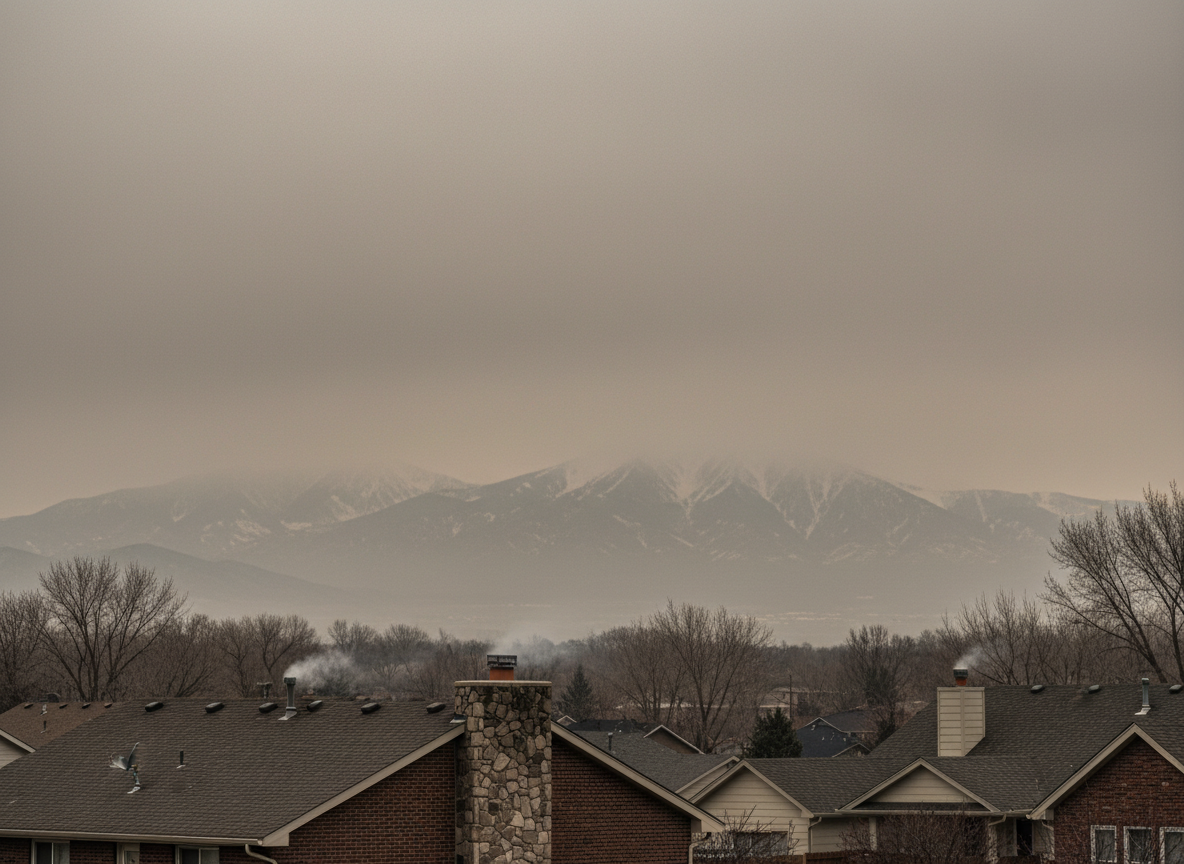
Davis County inversions cause poor draft when a layer of warmer air sits above colder surface air, eliminating the temperature differential that normally pulls smoke upward through the flue. In Clinton this happens most often on calm winter nights after snowstorms when the semi-arid climate allows rapid nighttime cooling.
How Temperature Layers Form During Inversions
Inversions develop when high pressure over northern Utah allows cold air to pool in the valleys around Clinton, Roy, and Clearfield. The warmer air aloft acts like a lid, so flue gases lose buoyancy within the first 10–20 feet of chimney height. Masonry chimneys common in Clinton Central and West Clinton lose draft faster because their thermal mass cools quickly once outside temperatures drop below freezing. Wind is usually absent during these events, removing any mechanical assist that might otherwise push smoke out. Homeowners notice the difference most on nights when temperatures fall to single digits after a daytime high in the 30s.
Local Housing and Chimney Conditions in Clinton
Many homes in Clinton Central were built between the 1960s and 1980s with brick chimneys that have settled slightly on the clay-heavy soils typical of Davis County. These small offsets create additional resistance once the draft is already weakened by an inversion. West Clinton properties near Clinton City Park often sit lower than surrounding terrain, placing them deeper inside the cold-air pool. Snow accumulation on roofs adds weight and can partially block caps, further reducing the small pressure difference that remains. The cold snowy winters here also mean more frequent use of fireplaces, so any creosote layer left from summer burns compounds the restriction when the inversion sets in.
Additional Factors That Worsen Draft in Winter
Even without an inversion, cold chimney walls in January reduce draft until the flue warms, but the inversion removes the driving force entirely. Residents in Ogden and surrounding areas sometimes report smoke spillage on the second or third day of a prolonged inversion because the stable air mass persists. Chimneys that serve only one appliance or that have long horizontal runs inside the house lose draft first. Moisture from melting snow that enters through small crown cracks freezes and narrows the flue opening overnight, cutting available draft area by 10–15 percent in older masonry stacks.
Steps Homeowners Can Take During an Inversion
Keep fires small and hot so any available draft is used efficiently. Open a window on the upwind side of the house to supply combustion air and reduce negative pressure indoors. Avoid burning wet or green wood that adds extra moisture to the flue. Schedule a Chimney Inspection Service after the inversion lifts to check for creosote or liner damage that may have occurred. Reading the related post on When to Schedule a Chimney Sweep Before Fall in Davis County helps plan maintenance before the next inversion season arrives. If smoke backs up repeatedly, contact Graystack Company at 2267 N 1500 W, Clinton, UT 84015 for 24/7 assessment rather than continuing to use the fireplace.